Key Takeaways
- Cancer cells depend heavily on methionine; reducing dietary methionine may slow tumor growth and enhance sensitivity to chemotherapy and radiation
- A low methionine diet centers on fruits, vegetables, and select plant foods while eliminating meat, fish, eggs, and most dairy
- Satisfying, varied meals are still possible — cassava-based grains, root vegetables, coconut products, and fresh fruit provide real flexibility within the restrictions
- For best results, methionine restriction should be part of a structured, personalized protocol guided by a qualified practitioner familiar with nutritional oncology
Why Methionine Restriction Matters for Cancer
Methionine is an essential amino acid found primarily in animal proteins. It supports DNA repair, cell metabolism, and glutathione production — a key molecule in cellular redox regulation. Because your body cannot manufacture it, you must obtain all methionine from food.
Cancer cells have a disproportionately high demand for methionine to fuel rapid replication. This phenomenon, known as the "Hoffman effect," describes how many tumor cells cannot proliferate when methionine is replaced with its metabolic precursor homocysteine, while normal cells remain unaffected. Research in peer-reviewed oncology journals links this dependence to altered SAM (S-adenosylmethionine)-dependent methylation—an abnormality unique to cancer cell metabolism.
How Methionine Restriction Sensitizes Cancer to Treatment
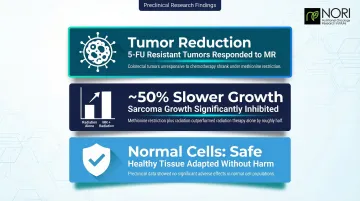
Laboratory and animal studies suggest methionine restriction can make cancer cells more vulnerable to DNA-damaging therapies. Preclinical research using a low-methionine diet (0.12% methionine) found:
- Colorectal tumors resistant to 5-fluorouracil shrank when methionine was restricted alongside low-dose 5-FU
- Sarcoma tumor growth slowed by approximately 50% compared to radiation therapy alone
- Normal cells adapted to reduced methionine without significant adverse effects
The National Cancer Institute and the American Institute for Cancer Research both recognize this potential, while noting that optimal dosing and timing for human application are still being established in clinical trials.
The Goal Is Reduction, Not Elimination
Complete methionine elimination is neither possible nor safe—your body requires it for normal cellular function. The therapeutic aim is to lower circulating levels enough to create a window where cancer cells struggle while normal cells adapt efficiently.
NORI's protocol targets no more than 10 mg/kg of body weight per day of combined methionine and cysteine—achievable through a plant-based diet high in fruits and select vegetables.
Foods to Eat and Avoid: Building Your Low Methionine Pantry
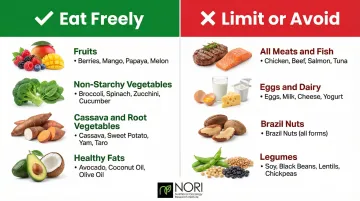
Core Low-Methionine Foods
Fruits form the foundation:
- Berries (strawberries, blueberries, raspberries)
- Mango, watermelon, papaya
- Apples, citrus (oranges, grapefruit)
- Stone fruits (peaches, plums)
Non-starchy vegetables provide volume and nutrients:
- Broccoli, cabbage, bok choy
- Zucchini, celery, cucumber
- Tomatoes, bell peppers
- Leafy greens (lettuce, spinach)
Starchy vegetables and grains offer satisfying carbohydrates:
- Cassava (tapioca), cassava flour, cassava pasta, gari (dried cassava flakes)
- Sweet potato, regular potato
- Turnip, pumpkin, squash
Healthy fats provide satiety:
- Coconut milk, coconut oil, coconut cream
- Avocado
- Macadamia nuts (in moderation)
- Olive oil
Foods to Limit or Avoid
Animal products are consistently high in methionine:
- All meats (especially pork and chicken)
- Fish and shellfish
- Eggs
- Most dairy products (cheese, yogurt, milk)
Plant foods to moderate (still contain notable methionine):
- Brazil nuts (very high in methionine)
- Legumes like black beans and soybeans (moderate to high)
- Most nuts and seeds
The Critical Role of Healthy Fats
Because low-methionine foods center on fruits and vegetables, the diet is naturally low in fat. Without enough fat, patients feel constantly hungry and struggle to stay on track. Fat signals fullness to the brain and slows digestion. ESPEN guidelines for cancer nutrition strongly recommend increasing the energy density of diets through healthy fats, particularly for weight-losing patients.
Adding coconut milk to curries, drizzling olive oil on vegetables, and including avocado in salads adds the calories and satiety that keep patients eating enough. Memorial Sloan Kettering advises cancer patients experiencing early satiety to use high-calorie, high-fat foods to meet nutritional needs.
Cassava: Your Low-Methionine Staple
Cassava flour, cassava pasta, and gari (dried cassava) fill a critical gap: they deliver familiar carbohydrate satisfaction—replacing wheat-based products—without spiking methionine intake. Cassava products make meals feel more substantial and comforting, which makes the diet easier to stick with long-term.
Low Methionine Recipes for Every Meal
The low methionine diet can be genuinely enjoyable. Variety, spices, and smart ingredient combinations deliver real flavor while staying well within therapeutic targets.
Breakfast Recipes
Cassava Gari Berry Bowl
Start your day with this simple, satisfying cereal alternative:
- 1 cup gari (dried cassava flakes)
- 1 cup mixed organic berries (blueberries, strawberries, raspberries)
- ¼ cup coconut cream
- Cinnamon to taste
Preparation: Pour gari into a bowl, top with fresh berries, drizzle with coconut cream, and sprinkle with cinnamon. The gari provides a mild, slightly nutty base similar to granola, while coconut cream adds richness without dairy.
Savory Breakfast Bowl
For those who prefer savory mornings:
- 1 cup cooked cassava or sweet potato (cubed)
- 1 cup sautéed broccoli, bell peppers, and spinach
- 1 tablespoon coconut oil
- Turmeric, cumin, and black pepper to taste
Preparation: Sauté vegetables in coconut oil with spices until tender. Serve over warm cassava or sweet potato cubes. Turmeric and black pepper together support the body's natural anti-inflammatory response.
Cacao-Coconut Coffee Drink
An indulgent morning ritual:
- 1 cup brewed coffee or herbal tea
- 2 tablespoons organic cacao powder
- ¼ cup whipped coconut cream
- Pinch of cinnamon and cayenne
Preparation: Blend all ingredients until frothy. Cacao contributes flavanols and antioxidants; coconut cream adds satisfying fat — both with minimal methionine.
Lunch and Dinner Recipes
Mango Noodle Salad
A refreshing summer dish that works as a light lunch or side:
- 2 cups cooked cassava or mung bean noodles
- 1 cup diced mango
- 1 avocado, diced
- 1 cup cucumber, sliced
- 2 cups red leaf lettuce
- ¼ cup red onion, thinly sliced
- Fresh mint leaves
- Dressing: juice of 1 lime, 2 tablespoons olive oil, ½ teaspoon cumin, ½ teaspoon coriander, salt to taste
Preparation: Toss cooled noodles with vegetables and fruit. Whisk dressing ingredients and pour over salad.
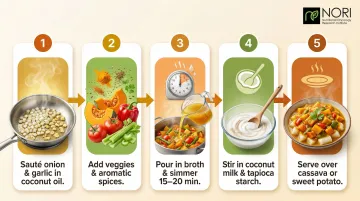
Low Methionine Vegetable Curry
A warming, satisfying dinner:
- 1 onion, diced
- 3 garlic cloves, minced
- 1 tablespoon coconut oil
- 2 cups pumpkin, diced
- 1 bell pepper (capsicum), diced
- 2 tomatoes, diced
- 1 cup celery, chopped
- 2 teaspoons curry powder
- 1 teaspoon garam masala
- 2 cups low-methionine vegetable broth
- 1 cup coconut milk
- 2 tablespoons tapioca starch (for thickening)
Preparation:
- Sauté onion and garlic in coconut oil until fragrant.
- Add pumpkin, capsicum, tomato, and celery. Coat with curry powder and garam masala.
- Pour in vegetable broth and simmer 15-20 minutes until vegetables are tender.
- Stir in coconut milk. Mix tapioca starch with cold water, then add to thicken.
- Serve over cooked cassava or sweet potato. Approximately 200-250 calories per serving.
Cassava Pasta with Roasted Vegetables
A comforting, familiar dinner format:
- 2 cups cassava pasta (cooked according to package directions)
- 2 cups mixed vegetables (zucchini, cabbage, turnip, carrots), diced
- 2 tablespoons coconut oil
- 1 teaspoon dried oregano
- ½ teaspoon garlic powder
- Fresh lemon juice
- Fresh herbs (basil or parsley)
- Drizzle of olive oil
Preparation: Toss diced vegetables in coconut oil and spices. Roast at 400°F for 25-30 minutes or stir-fry until tender and golden. Serve over cooked cassava pasta. Finish with lemon juice, fresh herbs, and a drizzle of olive oil.
Snacks and Desserts
Coconut and Fig Nice Cream
A naturally sweet frozen treat:
- 2 cups frozen mango or banana chunks
- ¼ cup coconut cream
- 4-5 dried figs, chopped
- Optional: vanilla extract
Preparation: Blend frozen fruit with coconut cream until smooth and creamy. Fold in chopped figs. Serve immediately for soft-serve texture or freeze for firmer consistency.
Strawberry Mint Salsa Crepe
Light, bright, and easy to assemble:
- 4 cassava flour crepes (prepared according to package directions)
- 2 cups fresh strawberries, diced
- Fresh mint leaves, chopped
- Coconut cream for drizzling
Preparation: Mix diced strawberries with fresh mint. Spoon onto cassava crepes, fold, and drizzle with coconut cream. The combination delivers natural sweetness without compromising methionine targets.
Practical Tips for Staying on Track
Meal Planning and Batch Cooking
Success depends on preparation. Stock your kitchen with essential ingredients:
- Cassava products (flour, pasta, gari)
- Canned coconut milk
- Frozen fruits and berries
- Fresh seasonal produce
- Anti-inflammatory spices
Prepare base components in advance: vegetable broth, cooked cassava pasta, roasted vegetables, and pre-cut fruits. Having these ready makes daily compliance easier and reduces decision fatigue.
Maintaining Adequate Calorie and Nutrient Intake
Reducing methionine should never mean dangerous caloric restriction. Adequate total calories, healthy fats, and dietary variety are all essential. A practitioner should help calculate your daily methionine targets based on body weight.
Dosing targets matter. Recent oncology trials have aimed for 5-10 mg/kg/day — a more sustainable range than the 2 mg/kg/day used in early pilot studies, which led to unintended weight loss.
Spice and Flavor Guidance
Flavor variety is what keeps this diet sustainable long-term. Liberal use of anti-inflammatory spices makes a real difference:
- Turmeric, cumin, coriander
- Ginger, cinnamon, curry blends
- Fresh herbs like mint, cilantro, basil
These spices do more than improve taste. They deliver anti-inflammatory and pro-oxidant compounds that complement methionine restriction's effect on cancer cells.
How Cycled Methionine Restriction Fits Into a Broader Cancer Protocol
Rather than continuous restriction indefinitely, integrative oncology approaches increasingly use cyclical methionine restriction—periods of deep restriction alternating with moderate intake. Research shows that intermittent methionine restriction (three days per week) protected mice against obesity and reduced IGF-1 by 40-56%, matching continuous restriction's metabolic benefits while being more sustainable.
Cycling may also preserve immune function, which requires adequate methionine for T-cell activation and proliferation. This matters particularly if you're considering immunotherapy, as prolonged sulfur-deficient methionine restriction can impair CD8+ T-cell responses. Strategic timing around treatment cycles addresses exactly this concern—keeping restriction periods deep enough to stress cancer cells while allowing immune recovery between cycles.
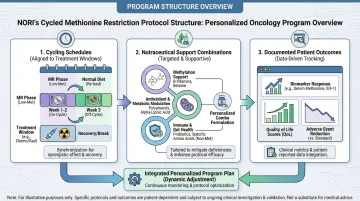
NORI's protocol structures this approach around individual treatment timelines, pairing cycled methionine restriction with targeted nutraceutical combinations. Key features of the protocol include:
- Cycling schedules aligned to treatment windows (such as 7-day-on, 7-day-off cycles)
- Nutraceutical support formulated to complement restriction phases
- Documented outcomes, including one case where PSA dropped from 395 to 1.7 within two months on a cycled restriction protocol
NORI offers free initial consultations to help determine whether structured low-methionine nutritional programs are appropriate for your situation and how to implement them safely alongside conventional or alternative treatment. Contact NORI at 800-634-3804 or info@nutritionaloncology.net to discuss your specific circumstances.
Frequently Asked Questions
What foods are lowest in methionine?
Fresh fruits (especially berries, citrus, melon), non-starchy vegetables (broccoli, cabbage, celery), starchy carbohydrates like cassava and sweet potato, and healthy fats like avocado and coconut are lowest in methionine. Animal products are consistently high and should be minimized.
What is a good meal for someone with cancer?
Ideal cancer-supportive meals are nutrient-dense, anti-inflammatory, and low in methionine—for example, a vegetable curry with coconut milk and turmeric over cassava, or a fruit-and-greens salad with avocado and citrus-olive oil dressing. Variety and adequate calories matter as much as restricting specific nutrients.
Is methionine linked to cancer?
Cancer cells have uniquely high demand for methionine to support rapid growth and division. Research in cell cultures and animal models suggests this vulnerability makes tumors more sensitive to chemotherapy and radiation when methionine is restricted, though controlled human clinical trials are still ongoing and evidence continues to build.
Can a low methionine diet replace cancer care?
No. A low methionine diet is a nutritional strategy designed to complement conventional or integrative therapies, not replace them. Always implement it as part of a supervised plan tailored to your diagnosis and treatment goals.
How long should I follow a low methionine diet for cancer?
Duration depends on cancer type, treatment plan, and overall health status. Many protocols use cyclical restriction timed around treatment cycles rather than continuous long-term restriction, which tends to be more sustainable and protective of immune function. A qualified practitioner can help you determine the right approach.