Introduction
Nearly every breast cancer patient wonders whether diet can make a difference in their outcomes. With survivorship numbers now past 4 million in the United States alone, that question has never been more urgent.
Women living with or beyond breast cancer face complex decisions about nutrition, often confronting conflicting advice and unproven claims while searching for evidence-based approaches to support recovery and reduce risk.
While no single food is a cure, a growing body of research points to plant-based dietary patterns as meaningful contributors to improved outcomes, reduced risk, and better quality of life during and after treatment.
Two large studies illustrate this clearly. The landmark Pathways Study followed 3,646 breast cancer survivors for almost a decade, revealing that what patients eat after diagnosis matters profoundly for long-term health. Research from the European Prospective Investigation into Cancer and Nutrition (EPIC), involving over 258,000 women, similarly demonstrates protective effects from healthful plant-based eating patterns.
That evidence raises an important question: what does a truly protective plant-based diet look like in practice? This article examines the current research, clarifies the critical distinction between healthful and unhealthful plant foods, and explores nutritional strategies that go beyond general guidelines to target cancer cell vulnerabilities directly.
Key Takeaways
- Healthful plant-based diets reduce breast cancer risk by 11% and improve survival outcomes, including lower non-cancer mortality
- Quality matters critically—refined grains, sugary drinks, and processed plant foods increase mortality risk by 20% in breast cancer survivors
- Top protective foods: fiber-rich legumes, cruciferous vegetables, whole soy foods, and omega-3 sources like flaxseed and fatty fish
- Amino acid restriction research points to targeted nutritional strategies with added benefits for patients with advanced disease
What the Research Shows: Plant-Based Diets and Breast Cancer Outcomes
The most comprehensive evidence on diet and breast cancer survival comes from the Pathways Study, which followed 3,646 breast cancer survivors for approximately 9.5 years. Researchers found that adherence to a healthful plant-based diet index (hPDI) reduced all-cause mortality by 17%, especially deaths from cardiovascular disease and other non-breast-cancer causes. The study also revealed the opposite effect for unhealthful plant-based patterns: survivors who consumed primarily refined grains, fruit juices, and sweetened beverages faced a 20% increase in non-cancer mortality risk.
The newly published EPIC/IARC study from July 2025 examined 258,343 European women followed for nearly 15 years. Higher adherence to healthful plant-based diets was associated with an 11% reduction in overall breast cancer risk across all subtypes. Researchers identified that reduced body fat accounted for 30–50% of this protective effect in postmenopausal women — a finding that underscores how tightly diet quality, weight management, and cancer risk are linked.
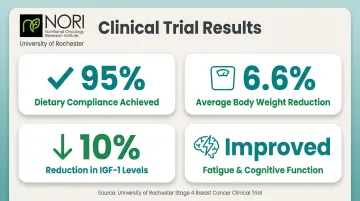
A clinical trial from the University of Rochester/Wilmot Cancer Institute was the first to test a strict whole-foods plant-based diet in Stage 4 metastatic breast cancer patients. Over eight weeks, participants followed a diet free of animal products and added oils. Results across the group included:
- 95% dietary compliance — without calorie counting
- 6.6% average body weight reduction
- 10% reduction in IGF-1 levels
- Meaningful improvements in fatigue and cognitive function
Blood tests also revealed changes in amino acid profiles, opening new research directions on how protein composition affects cancer cell survival.
A BCRF-referenced review confirms that breast cancer patients who adopted post-diagnosis diets high in fruits, vegetables, and whole grains while limiting red and processed meats reduced mortality from all causes.
The LEANer Trial pushed that finding further. Combining a healthy diet with exercise during presurgical chemotherapy nearly doubled the pathological complete response rate — from 28% to 53% — in patients with HR+/HER2- and triple-negative breast cancers.
Setting realistic expectations: Current research has not established that plant-based diets directly prevent breast cancer recurrence or improve breast-cancer-specific mortality on their own. Tumor characteristics such as stage, grade, and hormone receptor status remain the dominant prognostic factors. However, this doesn't diminish the value of dietary change — improved diet profoundly affects overall survival, quality of life, cardiovascular health, and weight management, all critical concerns for the millions of women living with breast cancer.
Not All Plant-Based Diets Are Created Equal
The key distinction researchers now make is between "healthful" and "unhealthful" plant-based diet patterns. A patient eating fruit juice, white bread, potato chips, and sweetened coffee drinks is technically following a plant-based diet—yet the Pathways Study found this pattern increased non-breast-cancer mortality risk significantly.
Healthful plant-based foods include:
- Whole grains (oats, quinoa, brown rice, whole wheat)
- Fresh vegetables and leafy greens
- Whole fruits (not juice)
- Legumes (beans, lentils, chickpeas)
- Nuts and seeds
- Vegetable oils (especially extra-virgin olive oil)
- Coffee and tea (unsweetened)
Not every plant food qualifies as healthful. The following are commonly mistaken as neutral choices:
- Refined grains (white bread, white rice, regular pasta)
- Sugar-sweetened beverages and fruit juices
- Sweets, desserts, and processed snacks
- French fries and fried plant foods
The Mediterranean Diet and Breast Cancer Risk
The Mediterranean diet represents one of the most studied healthful plant-based patterns for breast cancer. Research from the Nurses' Health Study found that high adherence to Mediterranean eating was associated with a 21% lower risk of ER-negative breast cancer. This pattern emphasizes extra-virgin olive oil, legumes, fatty fish, nuts, vegetables, and herbs while minimizing red meat and processed foods.
The quality distinction matters especially for breast cancer survivors because cardiovascular disease causes approximately 35% of non-breast-cancer deaths in this population. Healthful plant foods consistently protect against heart disease, while unhealthful plant foods offer no such benefit.
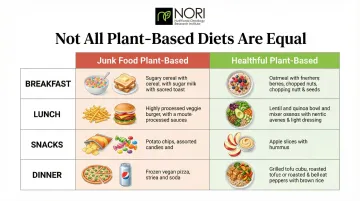
The difference between these two patterns becomes concrete when you compare a typical day of eating for each:
| Junk Food Plant-Based | Healthful Plant-Based | |
|---|---|---|
| Breakfast | White bagel with jam, orange juice | Steel-cut oats with berries, walnuts, ground flaxseed |
| Lunch | White pasta with marinara, garlic bread | Lentil soup with whole grain bread, mixed green salad with olive oil |
| Snacks | Potato chips, sweetened granola bar | Hummus with raw vegetables, handful of almonds |
| Dinner | Cheese pizza, soda | Quinoa bowl with roasted Brussels sprouts, chickpeas, tahini dressing |
How Plant Foods Fight Cancer: The Biological Mechanisms
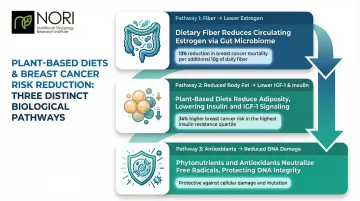
Fiber Reduces Circulating Estrogen
Dietary fiber influences how the gut microbiome metabolizes estrogen. High-fiber diets physically lower circulating estrone and estradiol by altering the "estrobolome"—the collection of gut bacteria that regulate estrogen metabolism. Fiber reduces microbial beta-glucuronidase activity, preventing estrogen from being reabsorbed and increasing fecal estrogen excretion instead.
Research published in Nutrition and Cancer found that for every 10g increase in daily fiber intake, breast cancer survivors experienced a 13% reduction in all-cause mortality. Broader meta-analyses show up to a 37% reduction in all-cause mortality and 28% reduction in breast-cancer-specific mortality for highest versus lowest fiber intake. This mechanism is particularly important for hormone receptor-positive breast cancers, where estrogen drives tumor growth.
Plant Antioxidants Neutralize Free Radicals
Plant foods contain a range of antioxidants that neutralize free radicals capable of damaging DNA and driving tumor development:
- Vitamin C (citrus fruits, bell peppers, strawberries, broccoli) protects cells from oxidative damage
- Vitamin E (nuts, seeds, spinach, avocado) prevents lipid peroxidation
- Polyphenols (berries, tea, dark chocolate, apples) reduce inflammation and may inhibit cancer cell proliferation
- Carotenoids (carrots, sweet potatoes, tomatoes, dark leafy greens) support immune function and may reduce breast cancer risk
Reduced Body Fat Lowers Cancer-Promoting Hormones
Excess body fat increases circulating estrogen, insulin, and IGF-1—all of which can fuel breast cancer growth. In postmenopausal women, adipose tissue becomes the primary source of estrogen production through aromatase enzyme activity. Women in the highest insulin resistance quartile face a 34% higher breast cancer incidence.
Healthful plant-based diets help reduce body fat naturally through lower caloric density and higher satiety. The University of Rochester trial demonstrated that a whole-foods plant-based diet achieved significant weight loss and a 10% reduction in IGF-1 levels in metastatic breast cancer patients—without mandated calorie restriction.
Emerging Research: Amino Acid Composition
Beyond hormonal pathways, researchers are now examining how the amino acid profile of a patient's diet may directly affect cancer cell behavior—a distinct and still-developing area of investigation.
The University of Rochester study found that a whole-foods plant-based diet shifted patients' blood amino acid profiles—specifically lowering methionine and branched-chain amino acid levels. Researchers are actively investigating how these shifts affect cancer cell survival and treatment response.
Preclinical research suggests cancer cells are "methionine-addicted," unable to proliferate when this amino acid — found primarily in animal proteins — is restricted. Reducing animal protein intake without causing malnutrition is being explored in nutritional oncology research for its role in metabolic wellness and its relationship to IGF-1 levels. Human clinical applications remain in early phases, though organizations like NORI have built applied nutritional protocols around cycled methionine restriction as a core supportive strategy.
The Best Foods to Include for Breast Cancer Patients
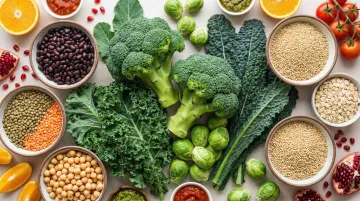
Vegetables, Legumes, and Whole Grains
Cruciferous vegetables deserve special attention. Broccoli, cauliflower, Brussels sprouts, kale, and cabbage contain glucosinolates that break down into bioactive compounds like sulforaphane. Research shows that consuming more than one serving daily of cruciferous vegetables is associated with 9% lower breast cancer risk overall, and 17% lower risk for ER-negative tumors specifically.
Colorful produce provides diverse phytonutrients:
- Orange and red vegetables (carrots, tomatoes, red peppers) for carotenoids
- Dark leafy greens (spinach, kale, collards) for folate and antioxidants
- Berries (blueberries, strawberries, raspberries) for polyphenols
Beans, lentils, and chickpeas pull double duty. As the highest-fiber plant foods available, they support estrogen regulation and provide plant protein that makes them a natural swap for red and processed meats. That fiber also supports satiety and weight management—both important for reducing excess body fat linked to cancer risk.
Soy and Omega-3s: Clearing Up the Confusion
Soy was once considered risky for ER-positive breast cancer patients due to its phytoestrogen content. Current research, including guidance from Mayo Clinic, has largely put that concern to rest. Whole soy foods (tofu, edamame, tempeh) appear to lower breast cancer risk rather than increase it. Plant estrogens (isoflavones) are far weaker than human estrogen. They may actually block stronger estrogens from binding to receptors, functioning more as tumor suppressors than promoters. That said, high-dose isolated isoflavone supplements are not recommended—stick to whole food sources and discuss soy intake with your oncologist.
Omega-3 fatty acids round out the anti-inflammatory picture. Good sources include:
- Fatty fish (salmon, mackerel, sardines)
- Walnuts, flaxseed, and chia seeds
- Extra-virgin olive oil, rich in monounsaturated fats and polyphenols
Extra-virgin olive oil in particular has been linked to reduced breast cancer risk in randomized trials, making it a practical and well-studied addition to any plant-forward eating plan.
Foods and Habits to Limit or Avoid
Processed and red meats: The WHO/IARC classifies processed meat (bacon, hot dogs, deli meats) as a Group 1 carcinogen. Each 50g daily portion increases colorectal cancer risk by 18%, with broader implications for overall cancer risk. Red meat should be minimized. The Western-style diet—high in processed and red meats, saturated fat, and refined grains—consistently associates with worse breast cancer outcomes.
Industrial trans fats: Post-diagnosis trans fat intake is associated with a 45% to 78% increased risk of all-cause mortality in breast cancer survivors. Avoid partially hydrogenated oils, which appear in fried foods, baked goods, and margarine — check ingredient labels, not just nutrition panels.
Alcohol: No safe threshold exists for alcohol and breast cancer. Even moderate drinking raises risk by elevating estrogen levels and disrupting DNA repair — effects that are especially pronounced in postmenopausal and ER-positive patients. Mediterranean diet studies specifically excluded alcohol from the diet's beneficial components.
Added sugar and ultra-processed foods: Excess added sugar drives weight gain, insulin resistance, and chronic inflammation — each of which creates conditions that support tumor growth. The problem is how well it hides: pasta sauce, salad dressings, flavored yogurt, and condiments all carry significant added sugar. Minimizing ultra-processed foods broadly is the most practical way to reduce exposure.
Going Beyond General Diet Advice: Structured Nutritional Support for Breast Cancer Patients
General dietary guidelines—eat more plants, avoid processed foods—provide a solid foundation. However, many breast cancer patients, especially those with advanced or recurrent disease, benefit from more targeted nutritional strategies tailored to the specific vulnerabilities of cancer cells.
The University of Rochester study found that a whole-foods plant-based diet changed blood amino acid profiles in metastatic breast cancer patients — a clue that diet can meaningfully alter the biochemical environment cancer cells depend on. Building on over 20 years of research, the Nutritional Oncology Research Institute (NORI) has investigated how methionine restriction combined with specific nutraceuticals (targeted nutritional supplements) can create conditions less hospitable to cancer cell survival.
NORI's home-based nutritional support program offers a structured, research-based protocol that complements — rather than replaces — an oncologist's care plan. The program combines cycled methionine and cysteine restriction with proprietary nutraceutical combinations being studied for their role in oxidative stress pathways and cellular health, with ongoing research into their selective effects. It includes:
- Personalized plant-based diet plans matched to the patient's cancer subtype
- Proprietary nutraceuticals formulated and manufactured by NORI
- Unlimited professional support via phone and Zoom
- All services and supplements covered under a flat-fee structure

One case report documents a Stage IV ER-positive breast cancer patient whose bone pain subsided within three months and whose CA15-3 tumor marker dropped from nearly 1,000 to 250.
Any significant dietary changes — especially during active treatment — should be discussed with an oncologist or integrative medicine specialist, particularly for patients on blood thinners, insulin, or hormone therapy. The most effective strategies are personalized to the patient's cancer subtype, treatment protocol, and overall health. NORI offers free initial consultations at 800-634-3804 for patients interested in exploring structured nutritional support.
Frequently Asked Questions
What is the best diet for breast cancer patients?
No single "breast cancer diet" has been proven in clinical trials, but a healthful plant-based pattern—rich in whole grains, vegetables, legumes, and fruits, and low in processed meat, alcohol, and refined foods—has the strongest research support for reducing risk and improving overall survival.
What foods stop breast cancer cells from growing?
No food is clinically proven to stop breast cancer growth on its own. That said, foods rich in antioxidants (cruciferous vegetables, berries), fiber (legumes, whole grains), and anti-inflammatory omega-3s (flaxseed, fatty fish) are associated with lower IGF-1 levels, reduced inflammation, and conditions less favorable to tumor growth.
Is a completely vegan diet necessary for breast cancer patients?
A fully vegan diet is not required. Research supports a predominantly plant-based diet that minimizes (but doesn't necessarily eliminate) animal products. The quality of plant foods chosen—whole versus refined—matters far more than strict veganism.
Can diet alone treat or cure breast cancer?
Current research does not support diet as a standalone treatment for breast cancer. Diet plays a meaningful role in supporting treatment outcomes and quality of life when used alongside standard or integrative oncology care—not as a replacement for it.
Should breast cancer patients avoid soy foods?
Current evidence suggests whole soy foods (tofu, edamame, tempeh) are safe and likely beneficial for most breast cancer patients—they do not appear to worsen ER-positive outcomes. Patients should discuss isolated soy supplement use with their oncologist, but whole-food soy is generally recommended.