Introduction
Lung cancer patients often face a difficult reality: standard treatments like surgery, chemotherapy, and radiation leave significant gaps in symptom management and quality of life. Nausea, debilitating fatigue, chronic pain, anxiety, and sleep disruption are common — and conventional care doesn't always address them.
This has driven growing interest in complementary and alternative therapies, or CAM — practices and products used alongside or outside standard oncology protocols.
These approaches vary widely in purpose, evidence quality, and safety. This guide covers:
- The main CAM categories used in lung cancer care
- The difference between therapies that support treatment and those that claim to replace it
- What the evidence actually shows
- How to make informed, safe decisions about adding CAM to your care plan
Key Takeaways
- CAM therapies don't cure lung cancer, but mind-body practices and acupuncture meaningfully reduce anxiety, fatigue, and chemotherapy-induced nausea when used alongside standard care
- Key distinction: complementary therapies work with conventional treatment; replacing proven care with unproven alternatives doubles your risk of death
- CAM categories serve distinct roles: mind-body for emotional wellbeing, biological for biochemical support, touch therapies for physical symptom relief
- Some supplements and herbs directly interfere with chemotherapy—professional oversight before starting any biological therapy is essential
- Choose based on your specific unmet needs, the strength of clinical evidence, and how the therapy fits with your current treatment plan
What Are Complementary and Alternative Therapies for Lung Cancer?
Complementary and alternative medicine encompasses a broad collection of practices and products that fall outside the scope of standard oncology treatment—surgery, chemotherapy, radiation, immunotherapy, and targeted therapy. The distinction between "complementary" and "alternative" is more than semantic: complementary medicine is used together with conventional medical treatment, while alternative medicine is used instead of it. Most leading cancer centers, including Mayo Clinic and Memorial Sloan Kettering, support the complementary approach through formal integrative oncology programs.
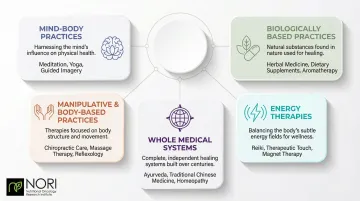
CAM breaks into five recognized categories:
- Mind-body practices — meditation, yoga, guided imagery, mindfulness
- Biologically based practices — dietary supplements, herbs, nutritional interventions
- Manipulative and body-based practices — massage, acupuncture, physical therapy
- Energy therapies — Reiki, therapeutic touch
- Whole medical systems — Traditional Chinese Medicine, Ayurveda, naturopathy
Patients turn to CAM for a range of reasons:
- Relief from treatment side effects such as nausea, fatigue, and pain
- Support for immune function during and after chemotherapy or radiation
- Managing emotional distress, anxiety, and depression tied to diagnosis
- Targeting cancer biology through nutritional or herbal interventions
The therapy that makes sense for you depends on your primary goal and current treatment plan — which is why understanding each category in depth matters before making any decisions.
Why CAM Matters in Lung Cancer Care
Lung cancer care carries a heavy symptom burden. Approximately 33% of newly diagnosed lung cancer patients experience emotional problems, which significantly reduce quality of life and intensify physical symptoms including pain, fatigue, and shortness of breath. Conventional care often fails to fully resolve these problems, leaving patients searching for additional support.
Unmanaged symptoms lead to real consequences:
- Treatment interruptions and reduced ability to tolerate therapy
- Declining mental health and overall quality of life
- Greater physical symptom burden over time
Yet the alternative — abandoning conventional treatment entirely for unproven therapies — carries severe risks. Research analyzing the National Cancer Database found that lung cancer patients who chose alternative medicine as their sole treatment faced a hazard ratio for death of 2.17 compared to those receiving conventional care, meaning mortality risk more than doubled.
The medical community has increasingly moved toward integrating both approaches rather than treating them as mutually exclusive. Mayo Clinic's Integrative Oncology program combines Western medicine with evidence-based complementary treatments. Memorial Sloan Kettering's Integrative Medicine Service incorporates evidence-based treatments — acupuncture, massage, and yoga — directly into patient care plans.
This reflects a growing recognition that CAM, when used appropriately, fills genuine gaps in standard oncology care.
Types of CAM Therapies for Lung Cancer
CAM isn't a single approach—different categories target distinct aspects of the cancer experience. Understanding these differences helps you choose therapies aligned with your specific needs rather than following popular trends or marketing claims.
Mind-Body Therapies
Mind-body therapies—including meditation, yoga, guided imagery, mindfulness-based interventions, music therapy, and biofeedback—work by influencing connections between mental states and physical health responses. These rank among the most extensively studied CAM approaches in oncology.
Unlike physical or biological therapies, mind-body approaches work through cognitive and neurological pathways. They don't interact with cancer drugs or directly target tumor biology, making them among the lowest-risk CAM options available.
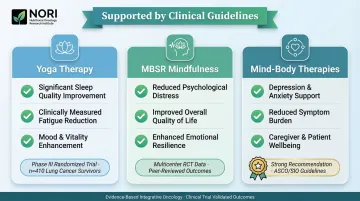
The research base here is strong. A nationwide phase III randomized trial of 410 cancer survivors found that a 4-week yoga program significantly improved sleep quality and daytime function while reducing sleep medication use. A secondary analysis confirmed yoga also significantly improved cancer-related fatigue compared to standard care.
For lung cancer patients specifically, a multicenter randomized trial found that Mindfulness-Based Stress Reduction (MBSR) added to usual care resulted in significantly less psychological distress and improved quality of life. ASCO/SIO guidelines provide a "strong recommendation" that mindfulness-based interventions should be offered during and after treatment to address depression and anxiety.
These therapies work best for patients managing anxiety, depression, stress, sleep disturbances, or fatigue. They don't provide cancer care directly and can't replace medical care — effectiveness also depends on patient engagement and access to qualified instructors.
Biological and Nutritional Therapies
This category includes dietary changes, herbal supplements, vitamins, nutraceuticals, and plant-derived compounds that work through biochemical or physiological pathways. The goal may be reducing inflammation, supporting immune function, easing treatment side effects, or targeting cellular vulnerabilities. It's also the most scientifically complex CAM category, with significant ongoing research and the highest risk profile of the four.
Unlike mind-body or touch therapies, biological approaches interact directly with your body's biochemistry and can interfere with cancer drugs. Some natural compounds — curcumin, EGCG from green tea, resveratrol, berberine — have demonstrated wellness-supporting activity in preclinical studies targeting angiogenesis, immune checkpoints, and related tumor pathways. Preclinical promise doesn't guarantee human efficacy or safety, though.
Research shows approximately 70% of cancer survivors use dietary supplements, yet many don't realize the risks. St. John's Wort, for example, significantly reduces the efficacy of EGFR inhibitors like erlotinib and chemotherapies including docetaxel by inducing the CYP3A4 enzyme. High-dose antioxidants present another concern: a clinical trial found that antioxidant supplements used before and during chemotherapy were associated with a 41% increased hazard of cancer recurrence.
Structured nutritional oncology programs address this complexity by combining dietary modifications with targeted nutraceutical formulations. The NORI Protocol, developed by the Nutritional Oncology Research Institute, pairs cycled methionine restriction with pro-oxidant nutraceutical combinations being studied in nutritional oncology research for how they may interact with the elevated oxidative conditions characteristic of cancer cells — one example of a supervised approach designed to reduce these risks.
This category works best for patients who want nutrition and nutraceuticals as part of a professionally guided integrative plan. Supplement quality and dosing vary widely, some compounds interact with chemotherapy, and professional oversight is essential before starting any regimen.
Touch and Movement Therapies
Touch and movement therapies include acupuncture, massage therapy, reflexology, chiropractic care, and physical exercise. These approaches work through physical stimulation of tissues, the nervous system, or energy channels to relieve pain, reduce tension, improve circulation, and promote wellbeing.
The evidence varies by modality. A 2023 meta-analysis of 38 randomized trials found acupuncture improves control of chemotherapy-induced vomiting. Massage therapy shows marked effects on reducing cancer-related fatigue according to a meta-analysis of 11 trials.
These therapies are most useful for patients dealing with physical pain, nausea, muscle tension, or fatigue from treatment. A few safety considerations apply:
- Acupuncture is generally contraindicated in patients with severe thrombocytopenia or severe neutropenia due to bleeding and infection risks
- Deep tissue massage should be avoided near radiation treatment areas or in patients with bone metastases
- Access and cost can be limiting factors — look for practitioners with specific oncology training
Whole Medical Systems
These are complete alternative medical frameworks — Traditional Chinese Medicine (TCM), Ayurvedic medicine, and naturopathic medicine — that approach health through their own diagnostic and treatment philosophies. They typically combine multiple CAM elements (herbal remedies, movement, dietary guidance) within a single system.
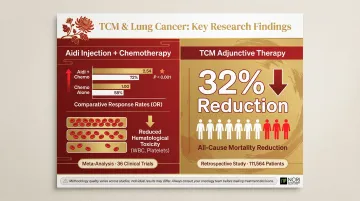
Unlike single-modality therapies, these systems offer comprehensive frameworks with practitioner-patient relationships and personalized plans. TCM has the most developed research base among them. A meta-analysis of 36 trials found that Aidi injection combined with chemotherapy significantly improved response rates and reduced blood toxicity in advanced non-small cell lung cancer. A retrospective study of 111,564 lung cancer patients in Taiwan associated TCM adjunctive therapy with a 32% reduction in all-cause mortality.
Whole medical systems work best for patients seeking a comprehensive wellness approach rather than single-symptom management. Two important caveats, though:
- The NCCIH notes that many studies of Chinese herbal products have been of poor methodological quality, so firm conclusions remain difficult
- The risk of substituting these unproven frameworks for proven cancer care is higher here than in any other CAM category — practitioners must be willing to collaborate with your oncology team
How to Choose the Right CAM Approach for Lung Cancer
Before anything else, clarify your primary goal. Are you trying to reduce a specific side effect—nausea, fatigue, anxiety? Improve overall quality of life? Support immune function? Target cancer biology through nutritional means? Different CAM categories optimize for different outcomes. Selecting based on your biggest unmet need proves more effective than choosing based on popularity.
Evaluate the evidence strength behind each specific therapy. Some CAM approaches have robust clinical trial support endorsed by major cancer guidelines:
- Acupuncture for chemotherapy-induced nausea
- Mindfulness for anxiety and psychological distress
- Yoga for fatigue and sleep quality
- Massage for reducing fatigue
- Exercise for cardiorespiratory fitness
Others have promising preclinical data but limited human trials. Some have no credible evidence at all. This distinction matters—it keeps you from spending time and money on approaches that haven't been validated in humans.
Consider your current treatment plan and health status. Certain supplements and herbal therapies interfere with chemotherapy, immunotherapy, and blood thinners. Patients with low blood counts, bone metastases, or recent surgery face specific restrictions around massage and physical activity. Always disclose any CAM therapy to your oncology team before beginning—this isn't optional, it's essential for safety.
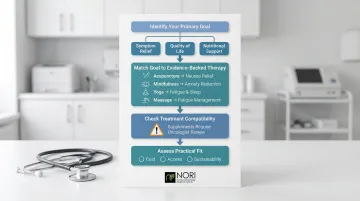
Practical factors also shape which approaches are realistic for you. Cost, access, and sustainability all matter in the context of long-term cancer management. Consider which category fits your situation:
- Low cost, home-based: Meditation, yoga, dietary changes
- Requires a practitioner: Acupuncture, massage, structured nutritional programs like the NORI Protocol
Choose an approach that fits your lifestyle and finances—the best CAM therapy is one you can actually sustain.
What to Watch Out For When Using Alternative Therapies
Certain red flags separate legitimate integrative therapies from fraudulent or dangerous ones. The American Lung Association advises patients to steer clear of any treatment that:
- Promises to cure cancer outright
- Tells you to stop standard treatment
- Relies on "secret" formulas unavailable through normal channels
- Requires travel to another country to access
- Refuses to coordinate with your oncology team
The FDA actively issues warning letters to companies making fraudulent cancer cure claims — a reminder that these threats are real and ongoing.
Self-managed CAM use carries its own set of risks. The most common pitfalls include:
- Choosing complex biological therapies (herbs, high-dose vitamins) without professional oversight
- Abandoning conventional treatment entirely for alternative approaches (research shows this significantly reduces 5-year survival rates)
- Selecting therapies based on testimonials or marketing rather than clinical evidence
- Failing to disclose CAM use to your oncologist
Specific substances carry documented risks that are easy to overlook. Some cannabis products, when smoked, can further damage lung tissue and cause chronic bronchitis, according to the American Lung Association. High-dose beta-carotene and vitamin A supplements paradoxically increased lung cancer incidence by up to 28% in smokers and asbestos-exposed workers in historical trials. The "natural" label is not a safety guarantee — professional, individualized guidance matters before starting any supplement regimen.
Conclusion
Complementary and alternative therapies give lung cancer patients a wide range of options — from mind-body practices that ease anxiety and fatigue to nutritional interventions like the NORI Protocol that target vulnerabilities within cancer cells. Each type serves a different purpose, which is why understanding the distinctions matters when making informed choices.
Key principles to carry forward:
- Integrative beats either/or: Most patients benefit most when CAM is used alongside conventional care, not as a replacement
- Evidence varies widely: Some approaches have robust clinical support; others rely primarily on patient-reported outcomes
- Goal clarity guides selection: Whether managing symptoms, supporting treatment tolerance, or pursuing an alternative path, your objective shapes which therapies are appropriate
- Professional oversight reduces risk: Open communication with an oncology team — including integrative specialists — helps avoid harmful interactions
The most effective approach for most patients is integrative: using CAM thoughtfully alongside conventional care, guided by open communication with a qualified oncology team. When applied with clear goals and appropriate oversight, these therapies address real gaps in standard oncology care — supporting quality of life, resilience, and long-term management in ways that drugs and radiation alone often cannot.
Frequently Asked Questions
How to improve lung cancer survival?
Combining evidence-based standard treatments with supportive integrative approaches—exercise, nutrition, and stress reduction—may improve outcomes. Early detection, treatment adherence, and working with a specialist team are the most impactful factors, with 5-year survival ranging from 64.7% for localized disease to 9.7% for metastatic cancer.
Can you beat non-small cell lung cancer?
Survival outcomes vary widely by stage. Some early-stage NSCLC patients achieve long-term remission with surgery and targeted therapies, and complementary approaches can support treatment tolerance and quality of life. Conventional treatments remain essential for disease control.
What kills cancer cells in the lungs?
Conventional treatments—chemotherapy, radiation, immunotherapy, and targeted therapy—are the primary means of killing lung cancer cells. Certain natural compounds like berberine, EGCG, and resveratrol demonstrate wellness-supporting activity in preclinical research, but none are proven standalone treatments in human clinical trials.
How to prevent lung cancer from coming back?
Key steps include regular follow-up imaging, avoiding tobacco and carcinogens, maintaining a nutrient-rich anti-inflammatory diet, managing stress, and staying physically active. Research shows that prediagnosis physical activity meeting minimum guidelines was associated with lower mortality, particularly in early-stage cancer.
Is it safe to use complementary therapies alongside chemotherapy?
Mind-body approaches such as mindfulness, gentle yoga, and acupuncture are generally safe during chemotherapy. Supplements and herbal remedies require oncologist approval, as some interfere with drug efficacy or worsen side effects — always disclose all CAM use to your treatment team.
What are the red flags to avoid in alternative cancer care?
Major warning signs include promises of a cancer cure, pressure to abandon standard treatment, secrecy around methods, refusal to work with your oncologist, and lack of credible scientific evidence. The FDA warns that fraudulent products often claim to "miraculously kill cancer cells" or be "more effective than chemotherapy."