Introduction
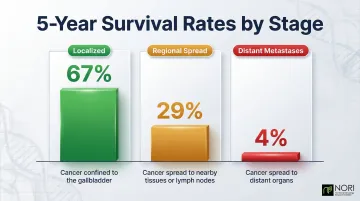
Over 80% of gallbladder cancer cases are diagnosed at regional or distant stages — where five-year survival rates drop to 29% and 4%, respectively. Those numbers push many patients and caregivers to ask a pressing question: can natural approaches play a meaningful role when conventional treatments like surgery or chemotherapy offer limited benefit for advanced disease?
That question deserves a grounded, evidence-based answer. This article reviews the current science on natural compounds, dietary strategies, and lifestyle factors studied in the context of gallbladder cancer. These approaches are meant to complement — not replace — care under a qualified oncologist, giving patients additional tools to support recovery and better outcomes as part of their overall treatment plan.
Key Takeaways
- Gallbladder cancer is aggressive and often diagnosed late, making natural supportive strategies especially relevant for comprehensive care
- Baicalein, curcumin, and berberine have shown health-supporting activity against gallbladder cancer cells in lab and animal studies
- Reducing methionine-rich foods and emphasizing plant-based whole foods may help discourage cancer cell growth
- Lifestyle factors including physical activity and stress management support immune function during treatment
- Natural approaches work best alongside conventional care — consult your oncologist before starting supplements or changing your diet
Understanding Gallbladder Cancer: Prognosis and the Case for Natural Support
Gallbladder cancer is a cancer originating in the inner lining of the gallbladder, often asymptomatic in early stages. According to the American Cancer Society and SEER database (2015-2021), only about one in five gallbladder cancers are caught early. Survival rates shift dramatically by stage:
- Localized (early): 67% five-year survival rate
- Regional spread (nearby structures or lymph nodes): 29%
- Distant metastases: just 4%
The 2022 global burden of gallbladder cancer recorded 122,491 new cases and 89,055 deaths — numbers that reflect how often this disease is caught too late. That gap between diagnosis and effective treatment is where the question of natural support becomes most urgent.
Why Conventional Options Are Limited
Surgery remains the only potentially curative treatment, but it's only feasible when the disease is caught early. For the majority of patients diagnosed at stage III or IV, conventional options — chemotherapy, radiation, and targeted therapies — offer limited benefit and carry significant side effects.
This treatment gap has driven growing patient interest in integrative and nutritional strategies. These approaches target known vulnerabilities in cancer cell biology using research-backed compounds, dietary protocols, and complementary therapies — grounded in science, not folklore.
What "Natural Solutions" Means in This Context
Natural does not mean risk-free or universally effective. When we discuss natural solutions for gallbladder cancer, we're referring to research-backed interventions such as:
- Bioactive plant compounds with demonstrated health-supporting activity in preclinical studies
- Dietary modifications that exploit cancer cells' metabolic dependencies
- Lifestyle practices that support immune function and reduce inflammation
Used alongside medical supervision, these strategies offer a practical way to extend and support your care plan — not replace it. The sections ahead break down the strongest options and what the current evidence actually shows.
Natural Compounds with Research-Backed Anti-Cancer Activity
Several plant-derived compounds have shown promise in laboratory and animal studies targeting gallbladder cancer cells. While human clinical trials are lacking, the preclinical evidence points to several distinct mechanisms.
Baicalein
Baicalein is a flavonoid extracted from Scutellaria baicalensis, a Chinese medicinal herb. A 2015 study published in PLoS ONE demonstrated that baicalein has been studied for its effects on cellular health pathways via the intrinsic mitochondrial pathway.
Key mechanisms:
- Downregulates ZFX protein, a transcription factor involved in cancer cell growth
- Reduces expression of MMP-2 and MMP-9, enzymes that facilitate tumour invasion and metastasis
- Increases Bax and decreases Bcl-2, affecting mitochondrial-mediated cellular stress pathways
- Activates caspase-3 and cleaves PARP, markers of cellular stress pathway activity
The study tested baicalein in GBC-SD and SGC996 cell lines and confirmed these effects in a mouse xenograft model. However, no human clinical trials have been conducted.
Curcumin
Curcumin, the active compound in turmeric, has been studied for its effects on cellular stress pathways in gallbladder carcinoma cells through reactive oxygen species (ROS)-mediated endoplasmic reticulum stress and mitochondrial dysfunction. In a 2013 study published in Cancer Cell International (Liu et al.), curcumin altered the Bax/Bcl-2 ratio and activated caspase-3 in GBC-SD cells.
The gap between in-vitro findings and clinical application remains wide. Curcumin's poor bioavailability in humans is an added barrier — newer delivery formats like liposomal curcumin aim to improve absorption, but none have been validated specifically for gallbladder cancer.
Magnesium
A 2021 study published in Acta Biomaterialia (Peng et al.) found that degradable high-purity magnesium affected gallbladder cancer cell growth in laboratory conditions. The mechanism involves magnesium ions and hydroxide release, which elevates local pH to 8.1, affecting cellular stress pathways.
This research has not been replicated in human studies, and magnesium supplementation decisions should be made with physician input, particularly since the study involved implantable medical devices rather than oral supplementation.
Berberine
Berberine, a compound found in several plants including goldenseal and barberry, has shown health-supporting activity in gallbladder cancer models. A 2025 study published in Scientific Reports demonstrated that berberine has been studied for its effects on cellular health in p53-mutant gallbladder cancer cells by suppressing the IL-6/STAT3 pathway. The study confirmed caspase-3/8 mediated cellular stress pathway activity in both laboratory and mouse xenograft models.
EGCG from Green Tea
Epigallocatechin-3-gallate (EGCG), the primary polyphenol in green tea, has demonstrated health-supporting effects in biliary tract cancers closely related to gallbladder cancer. Research shows EGCG inhibits growth, invasion, and migration in cholangiocarcinoma cells through several pathways:
- Suppresses MMP-2/9 activity, reducing tumour invasion capacity
- Blocks the JAK/STAT signalling pathway, limiting cancer cell proliferation
- Has been investigated for its effects on cellular stress pathways in biliary epithelial cancer cell lines
No studies have tested EGCG directly in gallbladder cancer cell lines, making translation to this specific cancer type uncertain.
The Critical Limitation: Preclinical Evidence Only
Across all five compounds, virtually every study relies on in-vitro (test tube) or animal models. For patients, this means these are promising leads, not proven treatments. A search of ClinicalTrials.gov reveals no active Phase 1-3 trials testing these compounds exclusively in human gallbladder cancer patients.
Patients interested in exploring these compounds formally should look for clinical trials through their oncology team or organisations like the National Cancer Institute.
Dietary Strategies That May Support Gallbladder Cancer Management
Methionine Restriction: Targeting Cancer's Metabolic Vulnerability
Cancer cells, including gallbladder cancer cells, are strongly dependent on the amino acid methionine for growth and replication. Normal cells have far less reliance on this pathway, which makes it a targetable vulnerability. Dietary methionine restriction alters one-carbon metabolism and creates a metabolically hostile environment for tumor cells while maintaining adequate nutrition for healthy tissue.
This principle forms the foundation of the NORI Protocol, a research-based nutritional program developed by the Nutritional Oncology Research Institute. NORI has been applying methionine restriction alongside targeted nutraceuticals to support cancer patients for over a decade, limiting daily methionine and cysteine (sulfur-containing amino acids) to no more than 10 mg/kg of body weight.
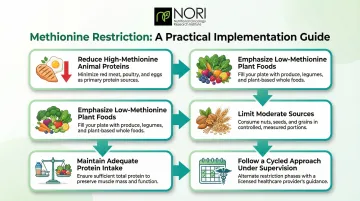
How to implement methionine restriction:
- Reduce animal proteins high in methionine: red meat, chicken, fish, eggs, dairy
- Emphasize plant-based foods naturally low in methionine: fruits, vegetables
- Limit nuts, seeds, grains, and beans (moderate methionine levels)
- Maintain adequate protein intake to prevent muscle wasting (typically less than 0.3 grams per kilogram of body weight)
- Follow a cycled approach (e.g., 7 days on, 7 days off) under professional supervision
Plant-Based, Anti-Inflammatory Diet
A diet rich in plant foods provides phytochemicals with documented anti-inflammatory and antioxidant properties. A 2024 meta-analysis found that high intake of cruciferous vegetables reduces gallbladder cancer risk by 54% (RR 0.46), with broccoli, cauliflower, Brussels sprouts, and cabbage showing the strongest protective effects.
Clinically, patients who shift to largely plant-based eating often report better tolerance of treatment side effects and improved energy levels. The consistent pattern: cutting processed and fried foods while increasing fresh vegetables and legumes.
Key plant foods to emphasize:
- Cruciferous vegetables (broccoli, cauliflower, kale, cabbage)
- Berries (blueberries, strawberries, raspberries)
- Dark leafy greens (spinach, chard, collards)
- Legumes (lentils, chickpeas, black beans)
- Whole fruits (apples, oranges, pears)
Eliminating Cancer-Promoting Foods
Removing or sharply limiting certain foods may help reduce cancer cell growth and inflammation.
Foods to eliminate or minimize:
Sweetened beverages deserve particular attention: consuming two or more servings daily increases gallbladder cancer risk by 124% (HR 2.24), driven by excess glucose feeding cancer cell metabolism through the Warburg effect. Saturated fat also matters — men in the highest quintile of long-chain saturated fat intake show a 24% higher risk of gallstone disease, and gallstones carry a relative risk of 4.9 for gallbladder cancer.
- Refined sugars and sweetened beverages: Sodas, juices, energy drinks; replace with water or herbal tea
- Processed and ultra-processed foods: High in inflammatory compounds, preservatives, and refined carbohydrates
- Fried foods and excessive saturated fats: Fast food, packaged snacks, fatty cuts of meat
Eating Patterns and Meal Structure
Gallbladder cancer patients, especially those undergoing treatment, often struggle with appetite loss and digestive disruption.
Practical meal strategies:
- Eat smaller, more frequent meals (5-6 per day) to maintain nutritional status
- Prioritize easily digestible foods during periods of nausea
- Include adequate protein to prevent muscle wasting, even within a reduced-methionine framework
- Time meals around treatment schedules to maximize nutrient absorption
Beneficial Beverages
Coffee: A prospective study published in the Journal of the National Cancer Institute found that consuming four or more cups of coffee per day was associated with a 59% reduced risk of gallbladder cancer (HR 0.41) compared to consuming one or fewer cups. Coffee stimulates cholecystokinin release, enhances gallbladder contraction, and decreases cholesterol crystallization in bile, thereby reducing gallstone formation.
Water: Adequate hydration supports bile fluid maintenance and helps flush toxins during treatment.
Lifestyle and Complementary Therapies for Gallbladder Cancer
Exercise and Physical Activity
Regular physical activity positively influences the biliary tract, reduces cholesterol levels, and supports immune function. The American Cancer Society and American Society of Clinical Oncology recommend that cancer survivors engage in at least 150 minutes of moderate aerobic exercise or 75 minutes of vigorous aerobic exercise per week, plus strength training twice weekly.
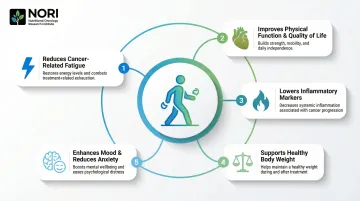
Even moderate activity such as walking, gentle yoga, or swimming may benefit patients managing treatment fatigue. Adjust intensity to match your current energy levels and health status. Research links regular exercise to:
- Reduce cancer-related fatigue
- Improve physical function and quality of life
- Lower inflammatory markers
- Support healthy body weight
- Enhance mood and reduce anxiety
Stress Management and Mind-Body Practices
Chronic psychological stress promotes pro-inflammatory immune responses that can accelerate cancer progression. According to research published in the Journal of Clinical Oncology, twelve weeks of yoga significantly lowers pro-inflammatory cytokine production — including IL-6, TNF-α, and IL-1β — and improves vitality in cancer survivors.
Effective stress reduction practices:
- Meditation and mindfulness-based stress reduction (MBSR)
- Gentle yoga tailored for cancer patients
- Guided relaxation and deep breathing exercises
- Progressive muscle relaxation
- Nature walks and outdoor time
Each of these approaches can be adapted to fit your treatment schedule and physical capacity — even short daily sessions produce measurable benefits.
Acupuncture for Symptom Management
NCCN and ASCO guidelines endorse acupuncture as a non-pharmacologic intervention for managing cancer-related pain syndromes and chemotherapy-induced nausea and vomiting. Evidence for acupuncture in supportive cancer care is growing, though clinical trials specific to gallbladder cancer remain limited.
Acupuncture works best as a supportive care option alongside your treatment plan — discuss it with your oncologist to determine whether it's appropriate for your situation.
Integrating Natural Solutions Into Your Cancer Care Plan
Working with Your Oncology Team
No natural compound or dietary strategy should be started without informing your treating oncologist. Some supplements can interact with chemotherapy drugs, affect blood clotting, or interfere with lab results. For example, high-dose antioxidants may reduce the effectiveness of certain chemotherapy agents, while compounds like berberine can affect liver enzymes that metabolize drugs.
A growing number of integrative oncologists are open to evidence-informed natural approaches when patients bring them forward as part of a coordinated plan. Key areas to discuss with your care team:
- All supplements and nutraceuticals you're taking or considering
- Dietary changes, including restrictive protocols like methionine restriction
- Any complementary therapies running alongside conventional treatment
What a Structured Integrative Program Looks Like
A systematic, personalized approach outperforms random supplementation. Combining dietary protocols with targeted nutraceuticals — selected based on the specific biology of a patient's cancer — produces far more consistent results.
NORI's home-based nutritional support program offers a science-grounded framework built on over 20 years of focused research. It can be followed from home without clinic visits, making it accessible to patients worldwide who want to augment their standard of care with nutritional oncology support.
Key components of a structured program:
- Personalized diet plan based on methionine restriction and metabolic principles
- Customised nutraceutical combinations targeting cancer cell vulnerabilities
- Continuous professional support and monitoring through phone and Zoom consultations
- Regular assessment of tumour markers and health indicators
- Adjustments based on individual response and changing circumstances
- Unlimited support and all nutraceuticals included in flat-fee options (monthly, yearly, or lifetime plans)

NORI formulates and manufactures all nutraceuticals in-house with guaranteed potency, purity, and quality, ensuring patients receive consistent, high-quality products designed specifically for cancer support.
Setting Realistic Expectations
Natural approaches are not a guaranteed cure for gallbladder cancer. They work best as part of a multi-pronged strategy that may include surgery, chemotherapy, or other conventional treatments where appropriate.
The value of natural solutions:
- Improving quality of life during treatment
- Supporting the body's immune defences
- Reducing systemic inflammation
- Potentially enhancing the effectiveness of conventional treatments
- Giving patients an active role in their own recovery
For patients with advanced gallbladder cancer who have exhausted conventional options, nutritional strategies offer a nontoxic approach that can be implemented alongside supportive care. While outcomes vary significantly by stage and individual health factors, the goal is to support recovery and long-term management while maintaining the highest possible quality of life.
Frequently Asked Questions
How to fight gallbladder cancer?
Fighting gallbladder cancer requires a comprehensive approach. Surgery remains the primary treatment option for early-stage disease, while chemotherapy and radiation are used for advanced cases. Integrative strategies—including dietary modifications (particularly methionine restriction), targeted nutraceuticals, and lifestyle changes—can be valuable tools used alongside conventional treatment to support the body and address cancer's metabolic vulnerabilities.
Is it possible to survive gallbladder cancer?
Survival is possible, particularly when caught early (67% five-year survival for localized disease). Late-stage diagnosis carries a much harder prognosis — distant metastases bring just a 4% five-year survival rate. Many patients explore integrative nutritional approaches to support longevity and quality of life, though outcomes vary by stage, treatment response, and individual health factors.
Can diet really affect gallbladder cancer outcomes?
While no diet has been proven to cure gallbladder cancer, reducing methionine, cutting inflammatory foods, and emphasizing plant-based nutrition may support metabolic wellness and support the body during treatment. Nutritional status directly affects a patient's ability to tolerate conventional therapies — and emerging research on methionine restriction shows promise in supporting metabolic wellness, with ongoing research into selective effects on cellular health.
What natural supplements have been studied specifically for gallbladder cancer?
Baicalein, curcumin, and magnesium are the most prominently studied natural agents in gallbladder cancer research, with berberine and EGCG also showing promise in related biliary tract cancers. Current evidence is primarily from laboratory and animal studies, and no large-scale human trials have been completed. Patients should discuss any supplementation with their oncologist before starting, as interactions with conventional treatments are possible.
Should natural approaches replace conventional gallbladder cancer treatment?
Natural approaches should not replace conventional treatment — surgery remains the only curative option for eligible patients. The most effective strategy combines conventional oncology with evidence-informed nutritional and integrative support, coordinated under professional supervision.
Note: This article is for educational purposes only and does not constitute medical advice. Always consult with qualified healthcare professionals before making treatment decisions or starting any new supplement or dietary protocol. For personalized guidance on integrating nutritional support into your gallbladder cancer care plan, contact the Nutritional Oncology Research Institute at 800-634-3804 or info@nutritionaloncology.net for a complimentary initial consultation.