
This question isn't about rejecting standard treatment. Rather, growing research explores whether specific plant compounds, targeted dietary changes, and lifestyle modifications can complement conventional therapy by exploiting cancer cell vulnerabilities that surgery and chemotherapy don't address. For the 70-80% of bladder cancer patients diagnosed with non-muscle-invasive disease, who face recurrence rates requiring repeated treatments over years, these complementary strategies offer potential tools for reducing recurrence while maintaining quality of life.
While transurethral resection (TURBT), BCG immunotherapy, and chemotherapy remain the foundation of bladder cancer care, emerging evidence suggests that natural approaches—when used strategically alongside conventional treatment—may provide additional support by targeting the metabolic abnormalities that allow cancer cells to survive and proliferate.
Key Takeaways
- Sulforaphane, EGCG, and pomegranate extract show anti-bladder cancer activity in lab studies, but human trials are scarce
- Low-methionine, plant-based diets may create conditions less favorable to bladder cancer growth
- Quitting smoking 10+ years before surgery cuts recurrence risk by 56% and cancer-specific mortality by 58%
- Natural approaches complement standard care best when coordinated with your oncology team — not used as replacements
Why Patients Explore Natural Alternatives for Bladder Cancer
Conventional bladder cancer treatments carry significant burdens. BCG immunotherapy alone produces a range of adverse effects:
- Dysuria in 60% of patients
- Urinary frequency in 40%
- Flu-like symptoms in 33%
- Serious systemic BCG infections in 1-2% of cases
Chemotherapy adds nausea, fatigue, and hair loss. Radical cystectomy—complete bladder removal—is life-altering and inappropriate for many patients.
The FDA defines "BCG-unresponsive" disease as persistent or recurrent high-grade cancer within 6-12 months of adequate BCG therapy. When first-line treatment fails roughly 40% of the time, patients face limited options: radical surgery or alternative intravesical therapies with variable success rates.
Non-muscle-invasive bladder cancer compounds this challenge with exceptionally high recurrence rates. Even after successful treatment, patients enter years-long surveillance cycles involving repeated cystoscopies and potential re-treatment. This chronic disease pattern drives interest in approaches that might reduce recurrence risk without the toxicity of continuous conventional therapy.
The distinction matters: complementary approaches used alongside standard care differ from unproven "alternative cures" that replace conventional treatment. Evidence-backed natural strategies increasingly appear in peer-reviewed oncology literature—not as replacements for TURBT or BCG, but as potential tools to enhance outcomes and support long-term management.
Natural Compounds with Research-Backed Anti-Bladder Cancer Properties
Sulforaphane: The Broccoli Compound Targeting Survivin
Sulforaphane (SFN), derived from cruciferous vegetables, shows the strongest preclinical evidence against bladder cancer. In athymic mice with human UM-UC-3 bladder cancer xenografts, oral SFN at 12 mg/kg for five weeks reduced average tumor volume by 63%.
Identified mechanisms include:
- Has been investigated for its effects on cellular stress pathways through caspase-3 and cytochrome c activation
- Reduces survivin expression, an anti-apoptotic protein that helps cancer cells evade programmed death
- Affects cellular pathways, as investigated in nutritional oncology research, via a reactive oxygen species (ROS)-mediated mitochondrial pathway in T24 cells
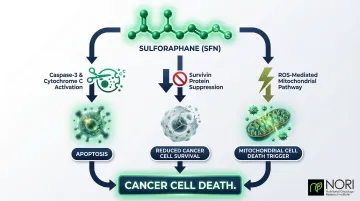
Phase II trial (NCT03517995): A randomized trial evaluated sulforaphane for bladder cancer chemoprevention, focusing on disease progression reduction. Definitive human efficacy data demonstrating reduced recurrence rates remains absent.
Green Tea Polyphenols: Anti-Angiogenic Mechanisms
Epigallocatechin gallate (EGCG), green tea's primary polyphenol, exhibits anti-angiogenic properties in bladder cancer models by inhibiting hypoxia- and serum-induced HIF-1alpha protein accumulation and VEGF expression. EGCG also suppresses T24 and 5637 bladder cancer cell proliferation via the PI3K/AKT pathway, decreasing phosphorylated PI3K and AKT.
Phase II trial (NCT00666562): A presurgical trial gave 31 bladder cancer patients 800–1200 mg EGCG for 14–28 days before surgery. Plasma and urine EGCG levels increased dose-dependently, and biomarkers for proliferation and apoptosis (PCNA and clusterin) were significantly down-regulated. The trial measured pharmacodynamics and biomarker changes — not long-term recurrence prevention.
Pomegranate Extract: Caspase Activation and mTOR Inhibition
Pomegranate fruit extract and its constituent ellagic acid demonstrate anti-proliferative and pro-apoptotic effects across multiple bladder cancer cell lines (T24, UM-UC-3, 5637, J82).
Mechanisms identified:
- Activation of pro-caspase-3, -8, and -9
- Increased Bax/Bcl-2 ratio, affecting cellular pathways, as investigated in nutritional oncology research
- Inhibition of the PTEN/AKT/mTORC1 pathway
- Reduction of VEGF-A and VEGFR-2 expression, limiting invasiveness
Marine and Plant Compounds Under Investigation
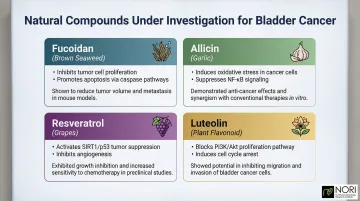
| Compound | Mechanisms | Preclinical Outcomes |
|---|---|---|
| Fucoidan (brown seaweed) | Inactivates PI3K/Akt signaling; ROS-dependent pathways | Has been investigated for its effects on cellular stress pathways in 5637 cells; increases Bax/Bcl-2 ratio |
| Allicin (garlic) | Regulates miR-26b-5p/PTEN axis; down-regulates PI3K/AKT | Suppresses proliferation, invasion, wound-healing in T24 and 5637 cells |
| Resveratrol (grapes) | Targets AURKA/STAT3 axis; down-regulates VEGF and Bcl-2 | Inhibits proliferation and cell cycle in T24, UMUC-3 cells |
| Luteolin (plant flavonoid) | Inhibits mTOR pathway; upregulates p21 and TRX1 | Induces G2/M arrest; decreases tumor volume in BC31 rat xenografts |
The Clinical Reality Gap
The National Cancer Institute explicitly warns: "There are no studies that prove that any special diet, food, vitamin, mineral, dietary supplement, herb, or combination of these can slow cancer, cure it, or keep it from coming back. In fact, some of these products can cause other problems by changing how your cancer care works."
Critical limitations:
- Most evidence comes from cell culture and animal studies
- Human trials are small, early-phase, and measure biomarkers rather than survival
- Herb-drug interactions pose real risks — EGCG inhibits CYP1A2 and CYP3A4 enzymes that metabolize many chemotherapy drugs
- Optimal dosing, formulation, and timing remain undefined
The preclinical data is genuinely compelling — but none of these compounds have cleared the bar of controlled human trials showing reduced recurrence or improved survival. Any patient considering these supplements should discuss them with their treating physician before use, particularly during active chemotherapy or BCG treatment, given the documented herb-drug interaction risks.
Dietary Approaches That May Support Bladder Cancer Management
The Scientific Rationale for Anti-Cancer Nutrition
Cancer cells exhibit profoundly abnormal metabolism. They consume nutrients differently than healthy cells, create unique dependencies on specific amino acids, and generate chronic oxidative stress within their cellular environment.
Dietary patterns high in processed meats, refined carbohydrates, and pro-inflammatory fats contribute to cancer-promoting internal conditions. Plant-rich, whole-food diets work in the opposite direction. The International Agency for Research on Cancer classifies processed meats as Group 1 carcinogens, and high intakes of red meat, well-done meat, and heterocyclic amines significantly increased bladder cancer risk in the NIH-AARP Diet and Health Study.
Methionine Restriction: Targeting Cancer Cell Dependencies
Methionine is an essential amino acid found primarily in animal proteins (meat, dairy, eggs) that cancer cells heavily depend on for growth and proliferation. Restricting dietary methionine through a plant-based diet low in methionine-rich foods may selectively limit cancer cell resources while leaving healthy cells relatively unaffected.
Both methionine and cysteine are precursors for glutathione synthesis — the primary antioxidant defense cancer cells use against their own abnormally high oxidative stress. Restricting both amino acids depletes that defense, affecting cellular processes being investigated in research.
The Nutritional Oncology Research Institute (NORI) has built over 20 years of research around combining cycled methionine restriction with targeted nutraceuticals. This approach targets metabolic vulnerabilities common across cancer types, including bladder cancer, though published clinical data specific to bladder cancer remains limited.
Cruciferous Vegetables and Protective Foods
Cruciferous vegetables—broccoli, cauliflower, kale, Brussels sprouts—provide dietary sulforaphane and indole-3-carbinol. Regular consumption may support detoxification pathways and wellness-supporting immunity.
Evidence-backed foods for bladder cancer patients:
- Green tea (limited-suggestive evidence for risk reduction)
- Pomegranate juice (preclinical anti-proliferative effects)
- Garlic (allicin demonstrates cancer cell growth suppression)
- Colorful berries high in anthocyanins (general cancer-protective properties)
Important caveat: A recent meta-analysis of prospective cohort studies found that cruciferous vegetable intake was not significantly associated with lower bladder cancer risk (RR = 0.92, 95% CI 0.80–1.06), suggesting that protective effects may be more modest than earlier research indicated.
What to Avoid: Dietary Carcinogens
Eliminate or severely limit:
- Smoking — The single most important modifiable risk factor, accounting for approximately 50% of all bladder cancers
- Processed and charred meats — Contain nitrosamines and heterocyclic amines (HCAs) that directly expose bladder epithelium to carcinogens when excreted through urine
- Excessive alcohol — Though meta-analyses show no significant association with bladder cancer risk in general populations
- Dehydration — Concentrated carcinogens linger longer in contact with bladder tissue
Hydration and Bladder Health
Beyond what you avoid, what you drink matters. Adequate daily fluid intake dilutes potential carcinogens and reduces the time they spend in contact with bladder tissue. While the EPIC study found no association between total fluid intake and urothelial cell carcinoma risk, maintaining proper hydration remains a sensible general health measure.
Lifestyle Modifications to Support Bladder Health
Smoking Cessation: The Most Powerful Intervention
Tobacco smoking is the most significant bladder cancer risk factor. Current smokers have a fourfold excess risk compared to never smokers (HR: 4.06; 95% CI, 3.66-4.50).
The survival data on quitting is substantial. In patients treated with radical cystectomy, smoking cessation ≥10 years prior to surgery reduced disease recurrence by 56% (HR: 0.44), cancer-specific mortality by 58% (HR: 0.42), and overall mortality by 31% (HR: 0.69) compared to current smokers.
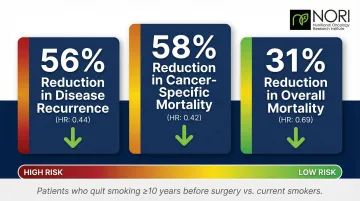
For patients diagnosed with bladder cancer who continue smoking, cessation is the single most impactful lifestyle change available — and it works alongside every other intervention described below.
Stress Reduction and Immune Support
Bladder cancer imposes substantial psychological burden, with anxiety prevalence ranging from 7% to 38.3% and depression from 6.9% to 42.8%. Chronic stress suppresses immune surveillance — the process by which immune cells detect and eliminate cancer cells.
Several approaches have evidence behind them for managing stress during cancer care:
- Moderate aerobic and resistance exercise per American College of Sports Medicine guidelines
- Adequate sleep (7-9 hours nightly)
- Mind-body practices including yoga and meditation
- Social support and connection
Physical activity itself lowers the risk of developing bladder cancer, and regular exercise improves survival and quality of life in cancer survivors according to ASCO guidelines.
Chemical Exposure Reduction
Occupational and environmental carcinogen exposure is a defining risk factor for bladder cancer — distinct from most other cancers. The IARC classifies aromatic amines including 4-aminobiphenyl, benzidine, and 2-naphthylamine as Group 1 human carcinogens that directly cause bladder cancer.
Reducing exposure where possible is practical for most patients:
- Filter drinking water to remove arsenic (≥10 µg/L is the EPA maximum contaminant level) and trihalomethanes
- Minimize contact with pesticides and industrial chemicals
- Use protective equipment in occupational settings (painters, rubber workers, textile dyers)
- Review personal care products containing known or suspected carcinogens
- Avoid prolonged contact with aromatic amines in dyes, paints, and rubber products
Integrating Natural Approaches with Conventional Bladder Cancer Treatment
The Integrative Oncology Framework
Natural and nutritional approaches deliver maximum benefit when used strategically alongside evidence-based conventional care, not as substitutes for it. Integrative oncology combines the proven efficacy of surgery, immunotherapy, and chemotherapy with complementary strategies addressing diet, lifestyle, and targeted supplementation.
Where conventional oncology focuses on tumor reduction, it often provides limited guidance on nutritional optimization, lifestyle modification, and long-term metabolic management. Natural approaches are designed to address exactly those gaps — extending the reach of a patient's overall care plan.
Structured Nutritional Support Programs
Conventional oncology typically limits dietary guidance to general advice — "eat well" — leaving patients without structured nutritional support. NORI's home-based program offers cancer patients worldwide a science-based protocol built around methionine restriction and proprietary nutraceutical combinations. The program includes:
- Free initial consultations
- Personalized diet plans tailored to individual circumstances
- All nutraceuticals included in flat-fee pricing
- Unlimited phone and Zoom support
- No clinic visits required—fully home-based implementation

For patients who can't access or afford expensive integrative oncology clinics, this flat-fee, home-based model brings structured nutritional support within reach.
Critical Safety Cautions
Never begin unsupervised supplementation during cancer care. Some natural compounds interfere with chemotherapy or radiation:
- EGCG competitively inhibits CYP1A2 and CYP3A4 enzymes that metabolize chemotherapy drugs
- Resveratrol inhibits CYP3A4 and CYP2C9 in human trials, potentially reducing drug clearance
- Some antioxidants may protect cancer cells from oxidative damage caused by radiation or certain chemotherapies
Always disclose all supplements and dietary interventions to your oncology team. Reputable integrative programs work in coordination with patients' existing treatment plans rather than replacing or contradicting them.
Frequently Asked Questions
Is there an alternative to BCG treatment?
Yes. Medical alternatives for BCG-unresponsive disease include gemcitabine/docetaxel combinations, viral gene therapy (nadofaragene firadenovec), and immune checkpoint inhibitors like pembrolizumab. Dietary modifications and plant compounds are being studied as adjuncts, but always coordinate any complementary approach with your oncologist.
Can you treat bladder cancer without removing the bladder?
Yes. Bladder-sparing options — trimodal therapy, new intravesical therapies, and immunotherapy — are available for many patients with non-muscle-invasive or select muscle-invasive disease. Nutritional and natural approaches can support quality of life alongside these treatments.
What is the number one treatment for bladder cancer?
Standard first-line treatment depends on stage: for non-muscle-invasive disease, TURBT followed by BCG immunotherapy; for muscle-invasive disease, radical cystectomy or trimodal therapy. Natural approaches serve as complementary support to enhance outcomes and manage long-term health.
Can bladder cancer be cured?
Early-stage bladder cancer has relatively high cure rates — 97.9% five-year survival for in situ disease and 72.6% for localized disease, per NCI SEER data — though recurrence remains common. Nutritional and lifestyle strategies may support long-term management and reduce recurrence risk alongside conventional care.
What should I avoid if I have bladder cancer?
Avoid smoking (the #1 modifiable risk factor), processed and charred meats (nitrosamines and HCAs), excessive alcohol, dehydration, and occupational chemical exposures including aromatic amines. A plant-rich, low-methionine diet is a consistent recommendation in integrative oncology nutrition programs.
What is the new breakthrough in bladder cancer?
Recent FDA approvals include nadofaragene firadenovec (viral gene therapy), TAR-200 (a sustained-release gemcitabine system with an 82.4% complete response rate), and enfortumab vedotin plus pembrolizumab for advanced disease — see the full FDA approval details. Nutritional approaches targeting cancer cell metabolism are gaining traction as a complementary frontier alongside these advances.
Evidence-backed dietary changes, targeted plant compounds, and lifestyle modifications give you additional tools to support recovery, reduce recurrence risk, and maintain quality of life — all working alongside your oncologist-guided treatment plan. The strongest outcomes typically come from integrating both approaches thoughtfully.
For personalized guidance on integrating nutritional support with your bladder cancer care, NORI offers free initial consultations at 800-634-3804 or info@nutritionaloncology.net.