
Introduction
According to the American Cancer Society, an estimated 20,040 new tongue cancer cases will be diagnosed in the US in 2025, with incidence rates rising 2.1% annually over the past decade. This upward trend underscores the urgent need for management tools that address both disease control and quality of life.
The core challenge extends beyond the cancer itself. Standard treatments—surgery, radiation, and chemotherapy—carry severe side effects including difficulty swallowing (dysphagia), loss of taste, chronic dry mouth (xerostomia), and profound systemic toxicity.
Research shows 65–70% of patients receiving concurrent chemoradiation develop severe oral mucositis, making treatment nearly as burdensome as the disease. Many patients find their quality of life so compromised that they seek complementary approaches to reduce suffering while supporting recovery.
This guide reviews the natural compounds, dietary strategies, and nutritional protocols that current research supports as complements to conventional tongue cancer care. The focus is on evidence-backed plant-derived agents that target multiple cancer pathways—inflammation, angiogenesis, apoptosis, and oxidative stress—rather than single-mechanism approaches.
Key Takeaways
- Tongue cancer incidence has risen 2.1% annually; standard treatments cause severe side effects in 65–70% of patients
- Curcumin, quercetin, and thymol show multi-pathway health-supporting effects in preclinical studies
- Methionine restriction exploits cancer cells' unique amino acid dependence to potentially slow tumor growth
- The NORI Protocol pairs dietary restriction with targeted nutraceuticals in a home-based, worldwide-accessible program
- All natural approaches should complement—not replace—conventional care under medical supervision
What Conventional Treatments Miss: Why Patients Are Turning to Natural Approaches
Standard-of-care treatments for tongue cancer typically include surgery (often involving partial glossectomy or lymph node dissection), radiation therapy, and chemotherapy—frequently administered in combination depending on tumor stage and location. While these remain primary interventions proven to extend survival, they carry significant morbidity that disrupts daily life.
The Quality-of-Life Gap
Research reveals a troubling disconnect between treatment success and patient wellbeing. Studies using validated quality-of-life instruments show that patients consistently report dry mouth, limited mouth opening, sticky saliva, and swallowing difficulties as the most prominent and burdensome symptoms following treatment. Severe oral mucositis affects 65–70% of patients receiving concurrent cisplatin and radiation for locoregionally advanced head and neck cancer—a side effect so painful many patients struggle to eat, speak, or maintain basic nutrition.
Xerostomia (dry mouth) persists long after treatment ends. Proton therapy studies document that while mucositis and dysphagia gradually improve, xerostomia remains elevated compared to baseline throughout extended follow-up periods.
For many tongue cancer patients, these treatment-related effects prove as debilitating as the disease itself. That burden is what drives the search for integrative approaches that reduce suffering without compromising outcomes.
The Scientific Rationale for Natural Agents
Unlike single-pathway chemotherapeutics that target one specific mechanism, many plant-derived compounds act on multiple cancer-related pathways simultaneously. Research shows these phytochemicals modulate oncogenic signaling pathways — EGFR, PI3K/AKT/mTOR, Wnt/β-catenin, and NF-κB — that drive oral squamous cell carcinoma progression. They also strengthen antioxidant defenses via Nrf2 while inducing oxidative stress selectively in cancer cells.
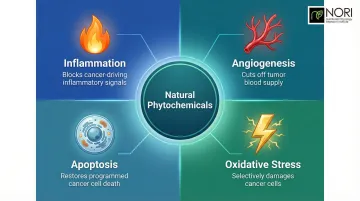
This multi-pathway action explains the growing research interest in natural agents as adjuncts over the past decade. These compounds simultaneously target:
- Inflammation — a recognized driver of cancer progression
- Angiogenesis — the blood vessel growth tumors depend on
- Apoptosis — the programmed cell death cancer cells actively evade
- Oxidative stress — a vulnerability cancer cells carry under specific conditions
For patients already enduring harsh conventional treatments, this broad-spectrum support with a lower side-effect burden explains the growing interest in integrative approaches.
Evidence-Based Natural Compounds Studied Against Tongue and Oral Cancer
Curcumin (from Turmeric)
Curcumin is the most clinically advanced natural compound in oral cancer research. In cell line studies, curcumin downregulates NF-κB and Notch-1 signaling in CAL-27 oral squamous carcinoma cells, inhibiting cell growth and invasion.
For HPV-linked tongue cancers specifically, research shows curcumin selectively suppresses HPV16/E6 oncogene transcription while blocking host nuclear transcription factors AP-1 and NF-κB in HPV16-positive oral carcinoma cells.
The APG-157 Phase 1 trial was the first randomized trial of its kind. This randomized, placebo-controlled study evaluated a botanical drug lozenge containing curcumin in oral cancer patients. Transoral delivery achieved systemic absorption peaking at 3 hours, reduced inflammatory cytokines (IL-1β, IL-6, IL-8) in salivary fluid, and increased T-cell recruitment to the tumor microenvironment. A Phase 2 trial is currently underway.
The bioavailability challenge remains: Curcumin exhibits poor oral absorption, rapid metabolism, and quick systemic elimination when taken as a standalone supplement, limiting its clinical effectiveness without specialized delivery systems.
Saffron and Crocin
Crocin, the active compound in saffron, has demonstrated specific activity against tongue cancer cells. Research published in the Asian Pacific Journal of Cancer Prevention showed crocin significantly decreased viability of Tca8113 human tongue squamous cell carcinoma cells in a concentration-dependent manner (0.1 to 0.8 mM) across 24, 48, 72, and 96 hours. At 0.4 mM concentration, crocin induced both early and late apoptosis while downregulating cellular DNA and RNA content.
The mechanism affects cellular pathways, as investigated in nutritional oncology research, with ongoing research into selective effects on different cell types. That selectivity is what draws attention from researchers and patients alike — it suggests a narrower risk profile compared to broad-spectrum treatments.
Quercetin (from Onions, Apples, Berries)
Quercetin demonstrates multiple health-supporting mechanisms in oral cancer models. Recent research shows quercetin triggers ROS (reactive oxygen species)-mediated cell death, induces S and G2/M-phase cell cycle arrest, and downregulates metastasis markers MMP-2 and MMP-9 in oral cancer cells. Studies also demonstrate quercetin inhibits cell survival and metastatic ability via the EMT (epithelial-mesenchymal transition)-mediated pathway.
Quercetin can also enhance conventional chemotherapy efficacy. Research shows the combination of quercetin and cisplatin enhances apoptosis in oral squamous cell carcinoma cells by downregulating xIAP through the NF-κB pathway. This points to potential synergy with standard treatment rather than conflict with it.
The limitation: Pharmacokinetic studies confirm quercetin has poor water solubility and absorption as low as 10%, requiring specialized delivery forms to achieve clinically relevant blood concentrations.
Thymol (from Thyme and Oregano)
Thymol is among the natural compounds closest to clinical application. Research from UT Health San Antonio demonstrates thymol induces mitochondrial transmembrane potential depolarization and apoptosis in oral squamous cell carcinoma Cal27 cells.
In animal models, thymol produced measurable antitumor effects in Cal27-derived mouse xenografts — and did so without relying on TRPA1 channel activity, pointing to a direct health-supporting mechanism independent of pain receptor pathways.
The University of Texas System holds a patent for a thymol mouthrinse for preventing or treating oral cancers, and human clinical trials are planned. The topical delivery method could prove especially valuable for tongue cancer, allowing direct application to affected tissue.
Ginger (6-Gingerol and 6-Shogaol)
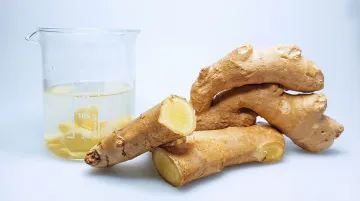
Ginger's bioactive compounds are being studied in nutritional oncology research for their effects on oral cancer cell lines. Research demonstrates [6]-gingerol inhibits oral cancer cell growth and G2/M phase cell cycle arrest while suppressing the AKT/mTOR signaling pathway.
6-Shogaol, a related compound, suppresses proliferation, migration, and invasion through a parallel route — inhibiting the PI3K/AKT/mTOR pathway and regulating EMT markers E-cadherin and N-cadherin.
Studies also show additive effects when ginger compounds are combined with chemotherapy agents like cisplatin, potentially allowing lower chemotherapy doses while maintaining efficacy—an approach that could reduce systemic toxicity.
Dietary Strategies That May Support Tongue Cancer Recovery
The Case for Plant-Based Nutrition
The World Cancer Research Fund and American Institute for Cancer Research Third Expert Report states there is "limited-suggestive" evidence that non-starchy vegetables decrease the risk of cancers of the mouth, pharynx, and larynx. The panel concludes that greater consumption of non-starchy vegetables and fruit probably protects against aerodigestive cancers.
Research consistently links diets rich in fruits and vegetables with reduced oral cancer risk and improved outcomes. The mechanisms involve specific phytochemicals that interfere with cancer cell survival and proliferation.
Foods to Prioritize
Cruciferous Vegetables (broccoli, cauliflower, kale): Sulforaphane inhibits histone deacetylase, causing G2/M cell cycle arrest and apoptosis in oral squamous carcinoma cells through increased ROS and decreased mitochondrial membrane potential.
Berries (strawberries, blueberries, raspberries): Ellagic acid is being investigated for its role in cellular health in ongoing research, including antioxidant activity and effects on cellular stress pathways in oral carcinoma cell studies.
Citrus Fruits (oranges, grapefruits, lemons): Rich in quercetin and vitamin C, supporting immune function and providing antioxidant protection.
Omega-3 Rich Fish (salmon, sardines, mackerel): Omega-3 fatty acid supplementation reduces probing pocket depth and improves clinical attachment level in periodontitis patients. Since periodontal disease elevates oral cancer risk, maintaining oral health through anti-inflammatory fats may provide indirect cancer protection.
Foods to Avoid
- Alcohol: An estimated 20.2% of oral cavity cancer cases globally in 2020 were attributable to alcohol. It damages DNA, impairs nutrient absorption, and drives chronic inflammation.
- Processed Meats: Nitrites in cured meats convert to carcinogenic N-nitroso compounds — particularly problematic for tissues in direct contact like the oral cavity.
- Refined Sugars: High-glycemic foods spike insulin and IGF-1, both of which promote cancer cell proliferation and suppress apoptosis.
The Methionine Connection
Cancer cells exhibit unique metabolic vulnerabilities. The "Hoffman effect" describes cancer cells' dependence on exogenous methionine — they cannot proliferate when methionine is replaced with its metabolic precursor, homocysteine, whereas normal cells proliferate normally under these conditions.
Restricting methionine by limiting animal proteins (the richest dietary sources) and certain high-methionine plant foods may selectively stress cancer cells while sparing healthy tissue. In practice, this means a diet emphasizing low-methionine fruits, vegetables, and specific grains over meat and dairy.
Practical Adaptations for Tongue Cancer Patients
Tongue cancer and its treatment frequently impair chewing and swallowing. These preparation methods let patients maintain health-supporting nutrition without aggravating symptoms:
- Blend berries, leafy greens, and citrus into smoothies with plant-based protein powder for nutrient-dense liquid meals
- Puree cruciferous vegetables, beans, and herbs with vegetable broth into blended soups that are easy to swallow
- Choose soft fruits — ripe bananas, avocados, steamed apples, and melon — that require minimal chewing
- Use almond or cashew butter in limited quantities to add calories and healthy fats (keep portions modest given methionine content)

Temperature matters — avoid extremely hot foods that may aggravate inflamed oral tissues, opting instead for room temperature or slightly warm preparations.
The NORI Protocol: A Structured Nutritional Approach to Cancer Support
Scientific Foundation: Methionine Restriction
The NORI (Nutritional Oncology Research Institute) Protocol centers on a specific metabolic vulnerability: cancer cells' dependence on the amino acid methionine. Unlike normal cells that can switch to methionine-independent metabolic pathways when this amino acid is scarce, cancer cells require constant external methionine supply for survival and proliferation.
NORI's approach combines cycled methionine restriction with targeted nutraceutical combinations designed to exploit this weakness. The dietary component limits protein intake to less than 0.3 grams per kilogram of body weight, with fat restricted to under 10% of total calories.
The diet emphasizes fruits and vegetables while severely limiting nuts, seeds, grains, and beans. This creates a nutritional environment that is hostile to cancer cell metabolism while remaining supportive of normal cell function.
Proprietary Nutraceutical Formulations
NORI's nutraceuticals target universal vulnerabilities present across cancer types and stages. The formulations work in concert with dietary restriction to address:
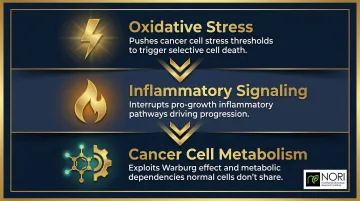
- Elevated oxidative stress in cancer cells — pushing this further while disabling their antioxidant defenses can trigger selective cell death
- Chronic inflammatory signaling that drives cancer progression — anti-inflammatory compounds interrupt these pro-growth pathways
- Altered cancer cell metabolism (including the Warburg effect) — targeted nutrients exploit these dependencies that normal cells don't share
NORI formulates and manufactures all nutraceuticals at its own facility, maintaining direct oversight over ingredient quality and product consistency. All formulations are included in program enrollment — no separate product charges apply.
Home-Based Accessibility
NORI's program operates entirely from home — no clinic visits required. This worldwide accessibility makes it practical for tongue cancer patients whose treatment-related side effects or geographic location might prevent regular clinic attendance.
The program includes:
- Unlimited phone and Zoom consultations with trained practitioners
- Customized diet plans tailored to individual cancer type, stage, and circumstances
- All necessary nutraceutical formulations
- Weekly online educational workshops with patient testimonials
- Access to a supportive community of patients implementing the protocol
NORI positions this as one of the most cost-accessible integrative support programs available, with monthly, yearly, and lifetime plan options.
Documented Case Evidence
The following case reports span different cancer types, showing how the protocol performs across varied presentations and stages:
Stage IV Papillary Thyroid Cancer: A patient with lung and chest lymph node metastases (thyroglobulin marker at 13) began the NORI protocol in 2012. Within 3 months, thyroglobulin dropped to nearly undetectable levels and remained low for over 4 years. After a slight rise, protocol reinitiation again reduced markers to undetectable. As of 2019 — 7+ years later — the patient reported continued significant improvement.
A second case shifts to a different cancer type but shows a similar pattern of response. Stage IV ER+ Breast Cancer: A patient with bone metastases and extreme pain (CA15-3 tumor marker near 1,000) started the protocol in 2018. Within 3 months, bone pain subsided and CA15-3 dropped to 250 — a 75% reduction. The patient reported high quality of life and stable markers through 18+ months of follow-up.
Individual results will vary, and NORI's program is built to work alongside — not in place of — medically supervised cancer care.
How to Safely Integrate Natural Therapies with Conventional Tongue Cancer Treatment
The Adjunct Model
Current evidence supports most natural agents as complements to conventional care rather than standalone replacements. Curcumin is the most clinically advanced compound, with Phase 2 trials underway, but most research remains at the preclinical stage — cell line and animal model studies that show promise but require human validation.
Never discontinue conventional treatment without physician guidance. Surgery, radiation, and chemotherapy have established survival benefits in tongue cancer. Natural approaches should enhance these treatments or reduce their side effects, not substitute for proven interventions.
Safety and Interaction Concerns
Some herbal agents interact significantly with chemotherapy and other medications:
Curcumin/Turmeric: Memorial Sloan Kettering warns curcumin interferes with cytochrome P450 enzymes (CYP3A4, CYP1A2, CYP2D6) and may interact with chemotherapy drugs like cyclophosphamide and doxorubicin. Case reports also link turmeric to increased bleeding risk when combined with anticoagulants like warfarin.
Quercetin: Research shows quercetin inhibits CYP3A4 and CYP2C19 activity and strongly displaces warfarin from human serum albumin, potentially increasing free warfarin concentration, elevating INR (a measure of blood clotting time), and raising bleeding risk.
Most herbal agents also lack formal dosing protocols or quality standards. Active compound concentrations vary widely between products, making it difficult to replicate research findings or guarantee consistent results.
These interaction risks make open communication with your oncology team the most important step before adding any supplement to your regimen.
Practical Guidance for Patients
Disclose All Supplements: Integrative Oncology guidelines emphasize that patients must consult trained healthcare professionals about dietary supplements to weigh potential risks and benefits. Open communication with your oncology team helps them monitor for adverse effects and catch interactions early.
Questions to Ask Your Healthcare Provider:
- Are there known interactions between this natural compound and my chemotherapy regimen?
- Could this supplement affect my blood counts, liver function, or kidney function?
- Should we adjust the timing of supplements relative to conventional treatments?
- What signs of adverse reactions should I watch for?
- Can you help me monitor my response through tumor markers or imaging?
What to Look for in Nutraceutical Products:
- Third-party testing certification (USP, NSF, ConsumerLab)
- Transparent sourcing and manufacturing practices
- Standardized concentrations of active compounds
- GMP (Good Manufacturing Practice) certification
- Clear labeling with specific ingredient quantities
Document and Track every supplement you take:
- Log dosages, timing, and any symptoms or side effects
- Note changes in how you feel week to week
- Bring this log to every oncology appointment so your team can monitor your full regimen
Frequently Asked Questions
How is tongue cancer treated?
Tongue cancer is primarily treated with surgery, radiation therapy, and chemotherapy—often in combination based on tumor stage and location. Integrative nutritional approaches are increasingly explored as adjuncts to reduce side effects and support recovery, not as replacements for these proven interventions.
Can tongue cancer be cured?
Tongue cancer can be cured, particularly when caught early. According to SEER data (2015–2021), 5-year relative survival rates are 87.6% for localized disease, 69.9% for regional spread, and 39.1% for distant metastases. Early detection and prompt treatment—combined with supportive care strategies—offer the best chance for cure.
How can tongue cancer be prevented from spreading?
Preventing spread requires medically supervised treatment, elimination of tobacco and alcohol, and dietary strategies targeting inflammatory and angiogenic pathways. Compounds like quercetin and curcumin show preclinical promise for suppressing metastasis markers MMP-2 and MMP-9, though clinical validation is ongoing.
What is the survival rate for tongue cancer?
SEER data (2015–2021) puts 5-year relative survival at 87.6% (localized), 69.9% (regional), and 39.1% (distant). Stage at diagnosis is the single biggest variable — catching it early dramatically changes outcomes.
What foods should you avoid with tongue cancer?
Limit or eliminate alcohol, processed and cured meats, high-sugar foods, and methionine-rich proteins like red meat. Each creates pro-inflammatory or metabolic conditions linked to tumor growth and disease progression.
For personalized guidance on integrating natural approaches with your tongue cancer care, contact NORI at 800-634-3804 or visit their website. Initial consultations are provided at no cost.